About Nigeria
Discover Nigeria
Nigeria is one of Africa’s largest and most influential countries, located on the west coast of the continent. With a rich cultural heritage, diverse landscapes, vibrant cities and a dynamic population, Nigeria plays an important role in Africa’s political, economic and cultural landscape.
From the Atlantic coastline and tropical forests of the south to the savanna and semi-arid landscapes of the north, Nigeria is home to hundreds of ethnic communities, languages and traditions united within a federal republic.
Nigeria in Motion
Experience Nigeria
A visual journey through the landscapes, cities, culture and spirit of Nigeria.
Nigeria at a glance
Land and people
The Land and People
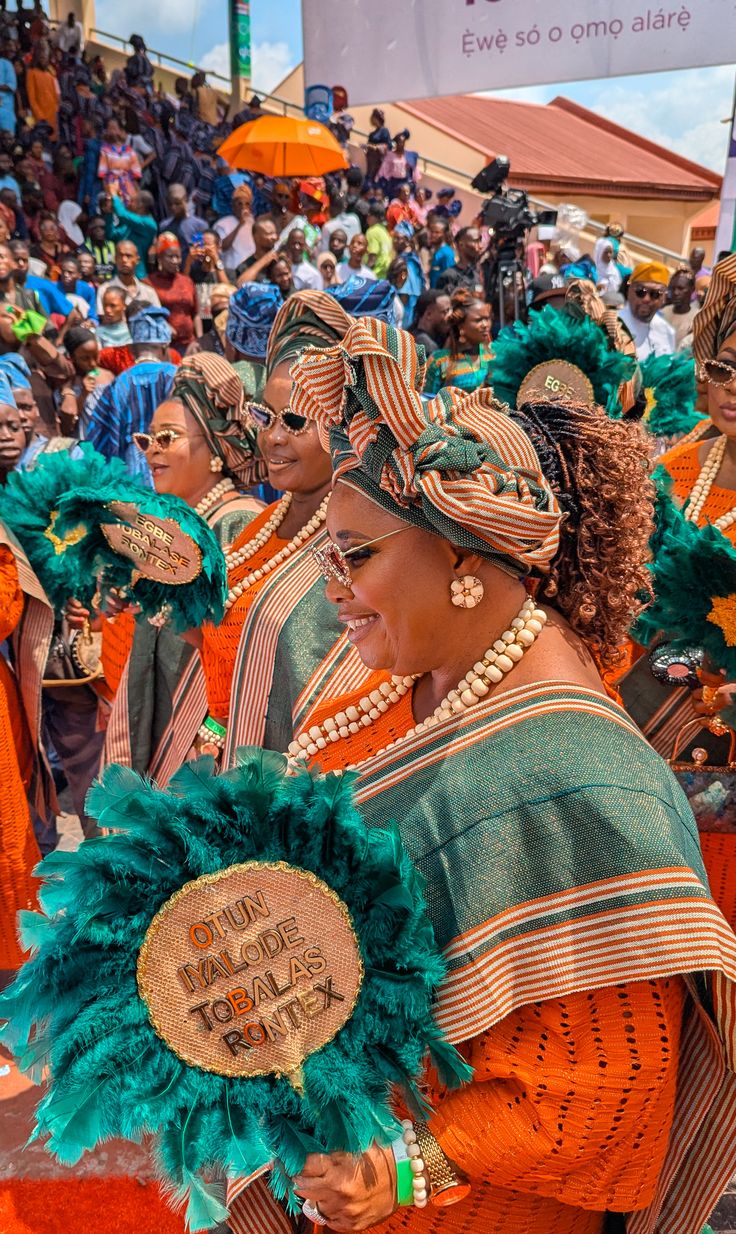
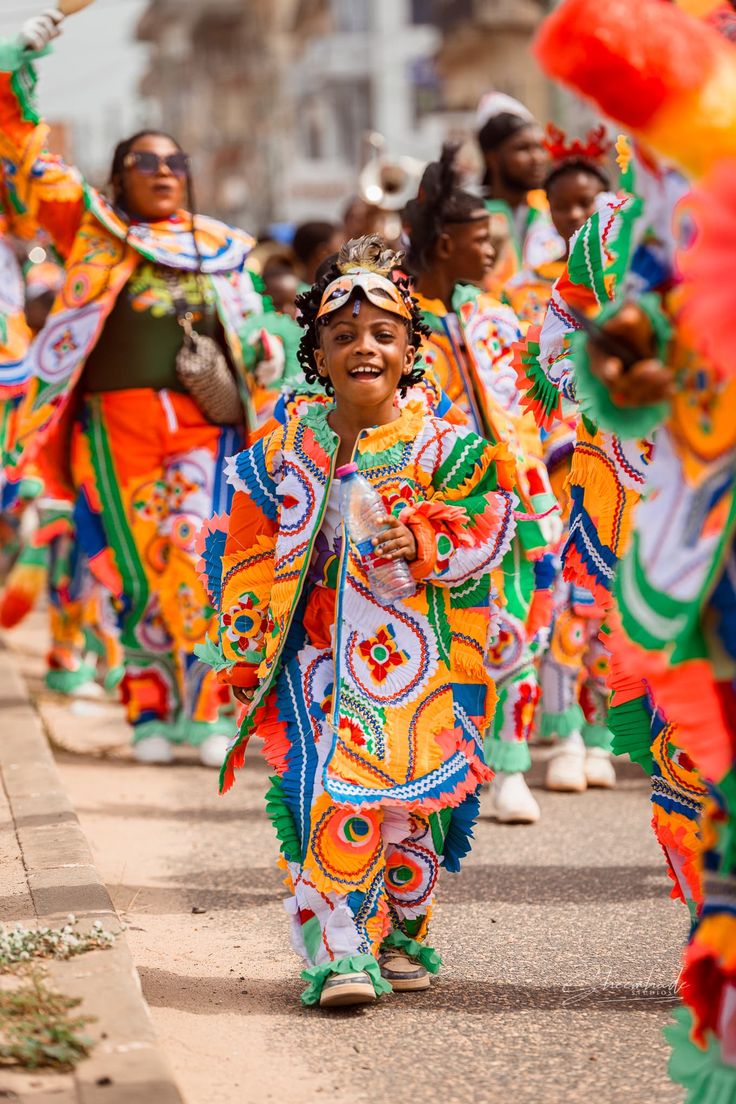
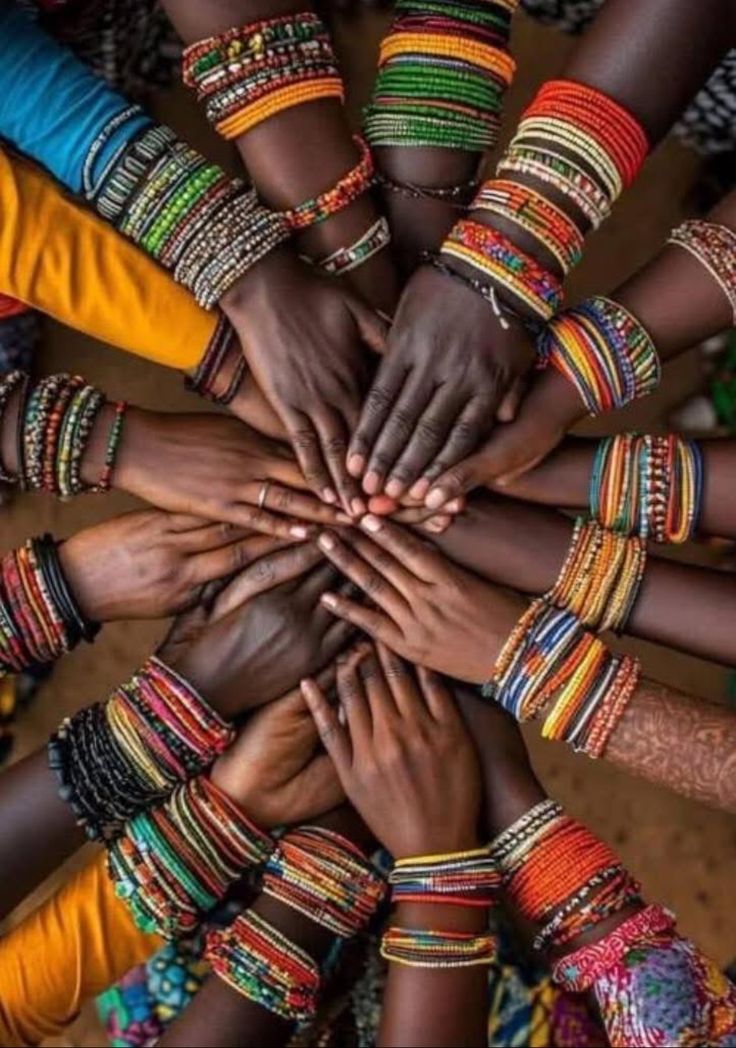
Nigeria is home to one of the world’s largest and most diverse populations. The country is made up of hundreds of ethnic and linguistic communities, each contributing to Nigeria’s rich cultural identity.
The Hausa, Igbo and Yoruba are among the largest ethnic groups, alongside many other communities including the Fulani, Tiv, Ibibio, Ijaw, Kanuri, Edo, Nupe, Gwari, Igala, Idoma, Urhobo and others.
Nigeria’s population is youthful, entrepreneurial and increasingly connected to the global economy. Nigerians have made significant contributions across business, technology, education, entertainment, sports, science and the arts both at home and internationally.
Cultural Diversity
Hundreds of ethnic and linguistic communities.
Creative Influence
A globally recognised presence in music, film, fashion and culture.
Global Diaspora
Nigerian communities contribute to economies and societies around the world.
Geography
Geography
Nigeria is situated in West Africa and occupies approximately 923,768 square kilometres. It is bordered by Niger to the north, Chad to the north-east, Cameroon to the east and Benin to the west.
The Atlantic Ocean forms Nigeria’s southern boundary, providing the country with an extensive coastline and important access to regional and international maritime trade.
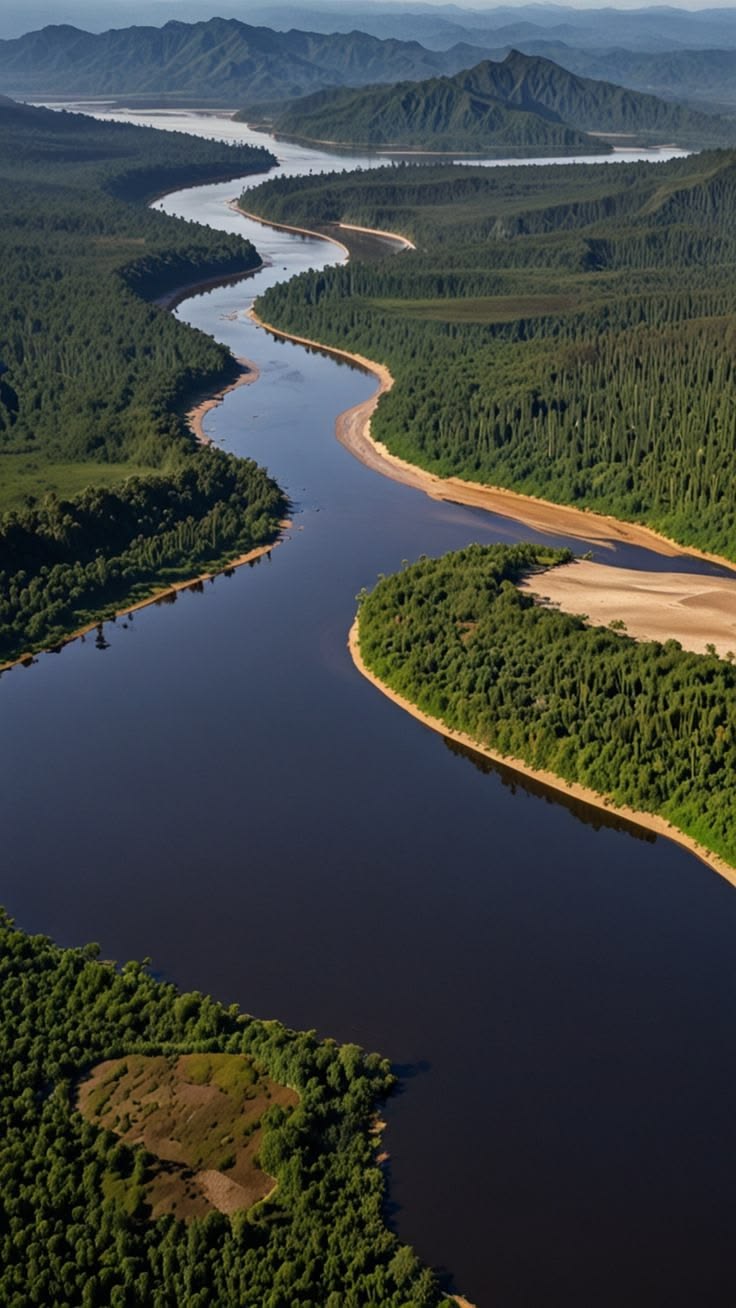
Nigeria’s geography ranges from coastal wetlands and tropical forests in the south to grasslands and savanna across central regions and drier Sahel landscapes in the far north.
The coastal south is shaped by the Atlantic Ocean, extensive creeks and the Niger Delta’s river networks, supporting fishing, trade and a rich mangrove ecosystem.
Dense tropical forests across the south-central states provide timber, non-timber forest products and habitats that sustain a wide range of plant and animal species.
Stretching across much of central and northern Nigeria, the savanna supports grain cultivation, livestock rearing and seasonal grazing routes that sustain rural livelihoods.
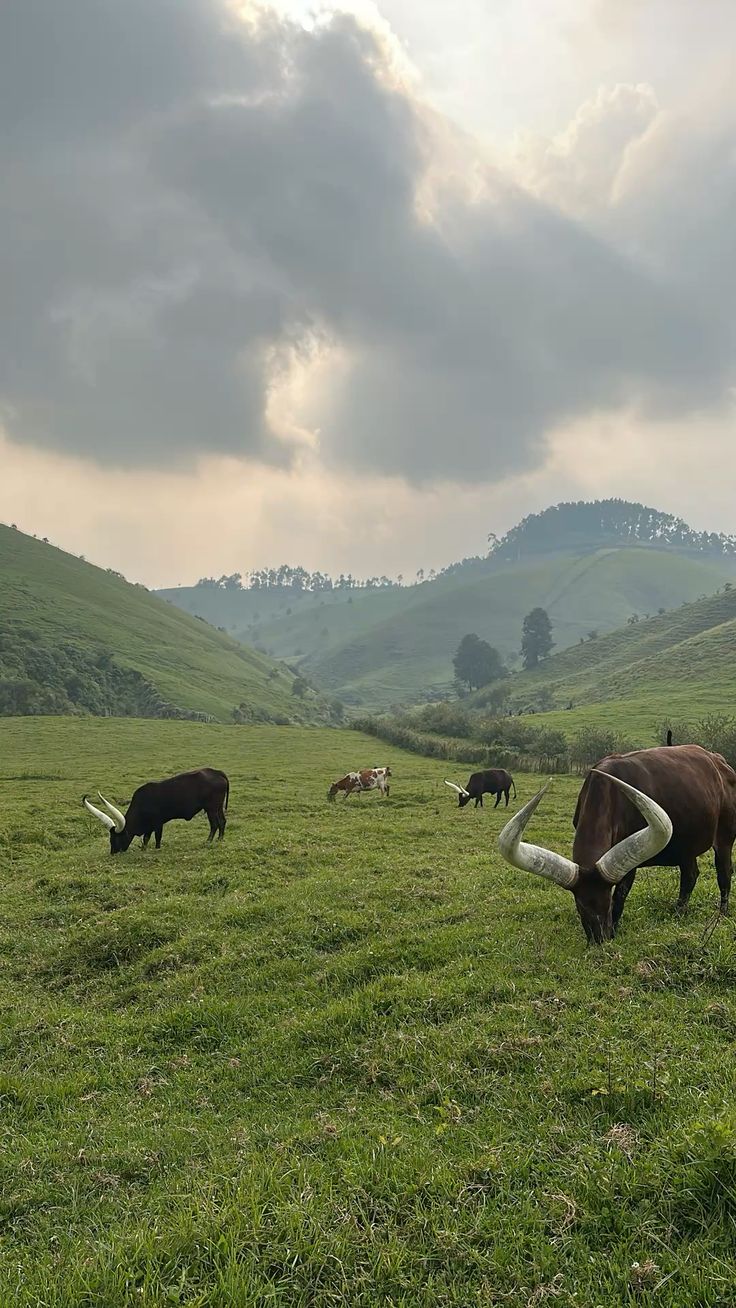
These elevated regions offer a cooler climate than the surrounding lowlands and are associated with tea, vegetable and dairy production, along with distinctive scenery.
Climate
Climate
Nigeria has a predominantly tropical climate, with climatic conditions varying across its different geographical regions.
Wet Season
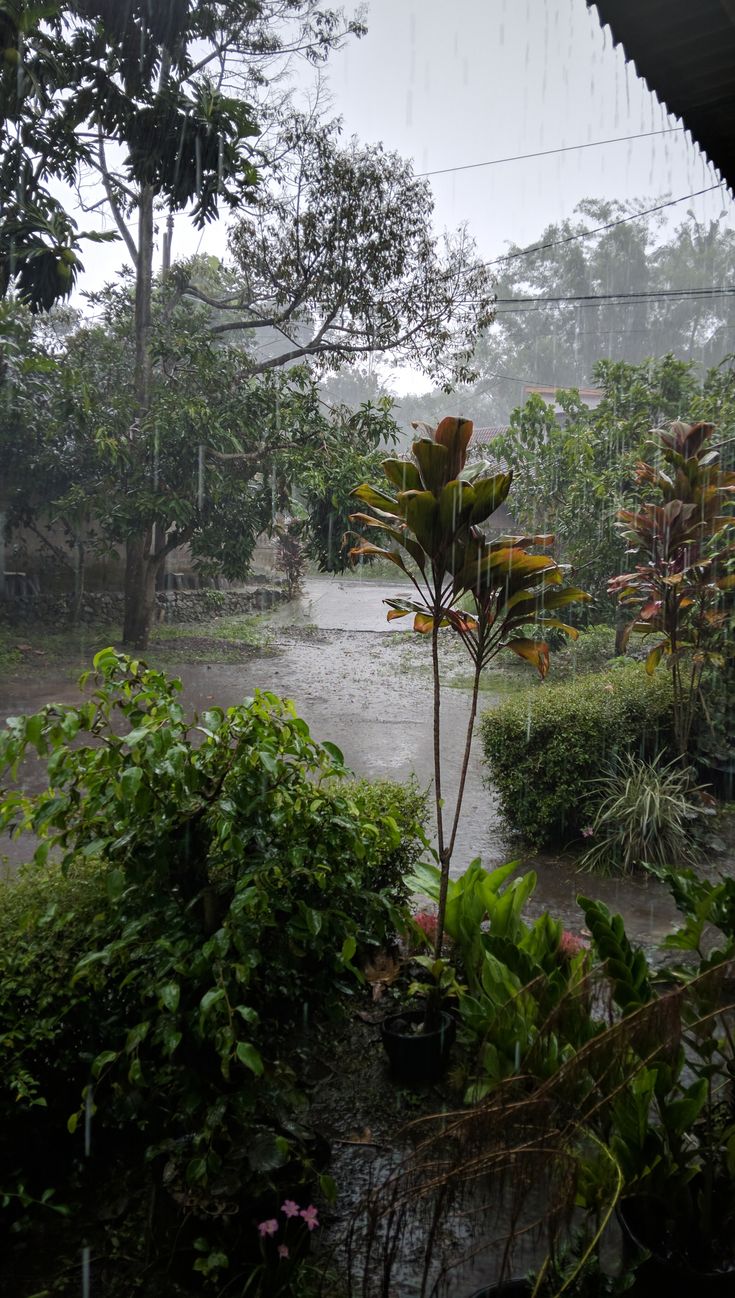
Generally occurring between approximately April and October, with rainfall varying significantly across the country.
Southern and coastal regions experience heavier rainfall, while northern areas generally receive less rainfall.
Dry Season
Generally occurring between approximately November and March.
The Harmattan period, influenced by dry winds from the Sahara, typically affects much of the country during the dry season.
Vegetation and natural environment
A Landscape of Contrasts
Nigeria’s vegetation reflects its diverse climate and geography. The southern regions contain mangrove swamps, freshwater swamps and tropical rainforest, while the central and northern regions transition through Guinea and Sudan savanna toward the drier Sahel environment. These ecological zones support a wide range of agricultural activities, natural resources and biodiversity.
Dense tropical forest across the humid south, rich in biodiversity and forest resources.
Coastal swamps and river deltas where freshwater and saltwater ecosystems meet, vital to fishing and trade.
Wooded grassland across the middle belt, supporting mixed farming and livestock.
Drier grassland and scrubland toward the north, adapted to shorter rainy seasons and grazing.
Government
Government
Nigeria operates as a federal republic with powers and responsibilities shared across different levels of government. The country’s governance structure consists of:
Federal Government
Responsible for national matters including foreign affairs, defence, immigration, monetary policy and other areas assigned by the Constitution.
State Governments
Nigeria has 36 state governments responsible for administration and development within their respective states.
Local Government
Nigeria has 774 Local Government Areas responsible for governance and administration at the local level.
Federal Capital Territory
Federal Capital Territory
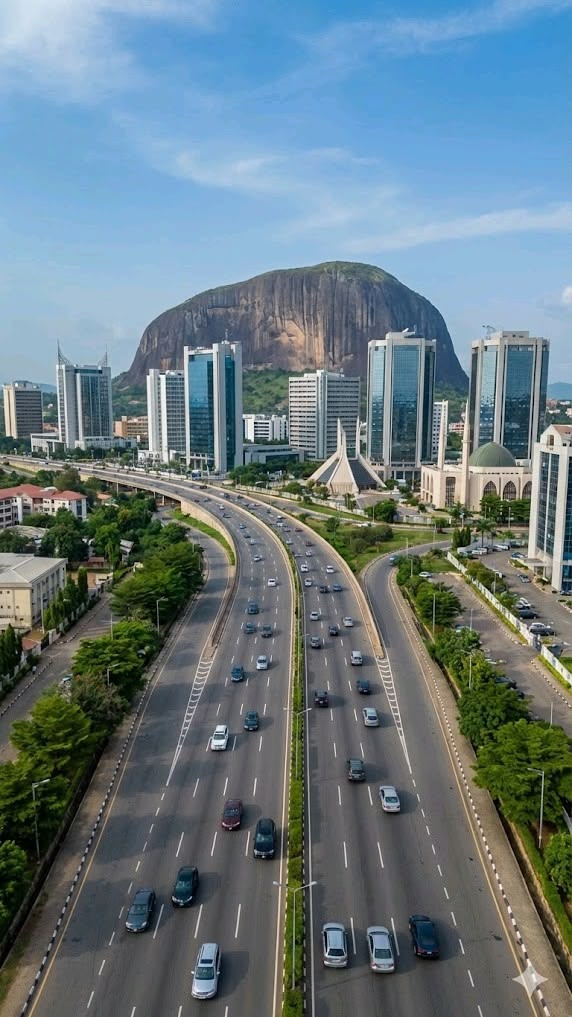
Abuja serves as Nigeria’s capital and the seat of the Federal Government.
Economy and enterprise
Economy and Enterprise
Nigeria has one of Africa’s largest and most diverse economies. The country has significant opportunities across energy, agriculture, technology, manufacturing, financial services, infrastructure, trade and the creative industries.
Energy
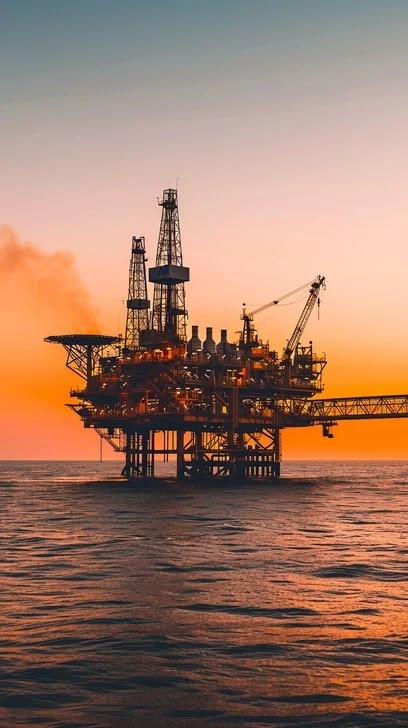
Oil and natural gas remain important sectors of the Nigerian economy, alongside growing investment in renewable energy and energy infrastructure.
Agriculture
Nigeria’s diverse climate supports the production of crops including cassava, rice, maize, yams, cocoa, palm produce and other agricultural products.
Technology
Nigeria has developed one of Africa’s most active technology and innovation ecosystems, with growing activity in fintech, digital services and entrepreneurship.
Manufacturing
The manufacturing sector includes food processing, cement, textiles, pharmaceuticals, consumer goods and other industries.
Trade
Nigeria’s population, strategic location and access to regional markets position the country as an important centre for trade and commerce in West Africa.
Creative Economy
Nigeria has a globally recognised creative sector spanning music, film, fashion, media and entertainment.
Natural resources
Natural Resources
Nigeria is endowed with significant agricultural, mineral, marine and forest resources.
Oil and natural gas are among the country’s most significant natural resources. Nigeria also has deposits of minerals including limestone, iron ore, coal, gold, gypsum, kaolin, barite and other solid minerals.
The country’s agricultural and natural resources support opportunities across food production, processing, manufacturing and export.
Transport and connectivity
Connecting Nigeria
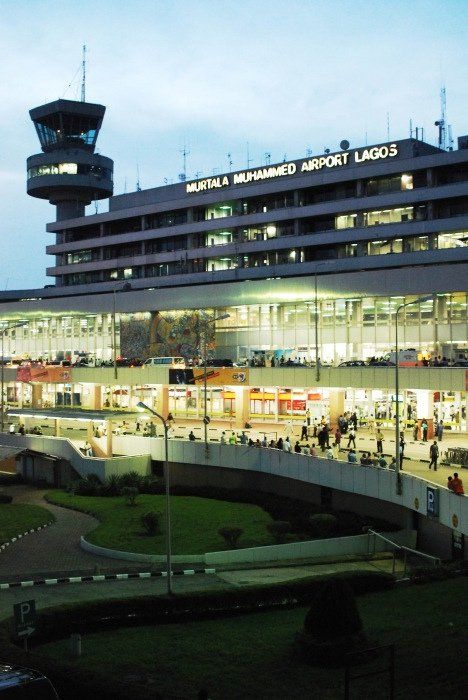
Nigeria is served by international and domestic airports connecting major cities across the country and to destinations around the world.
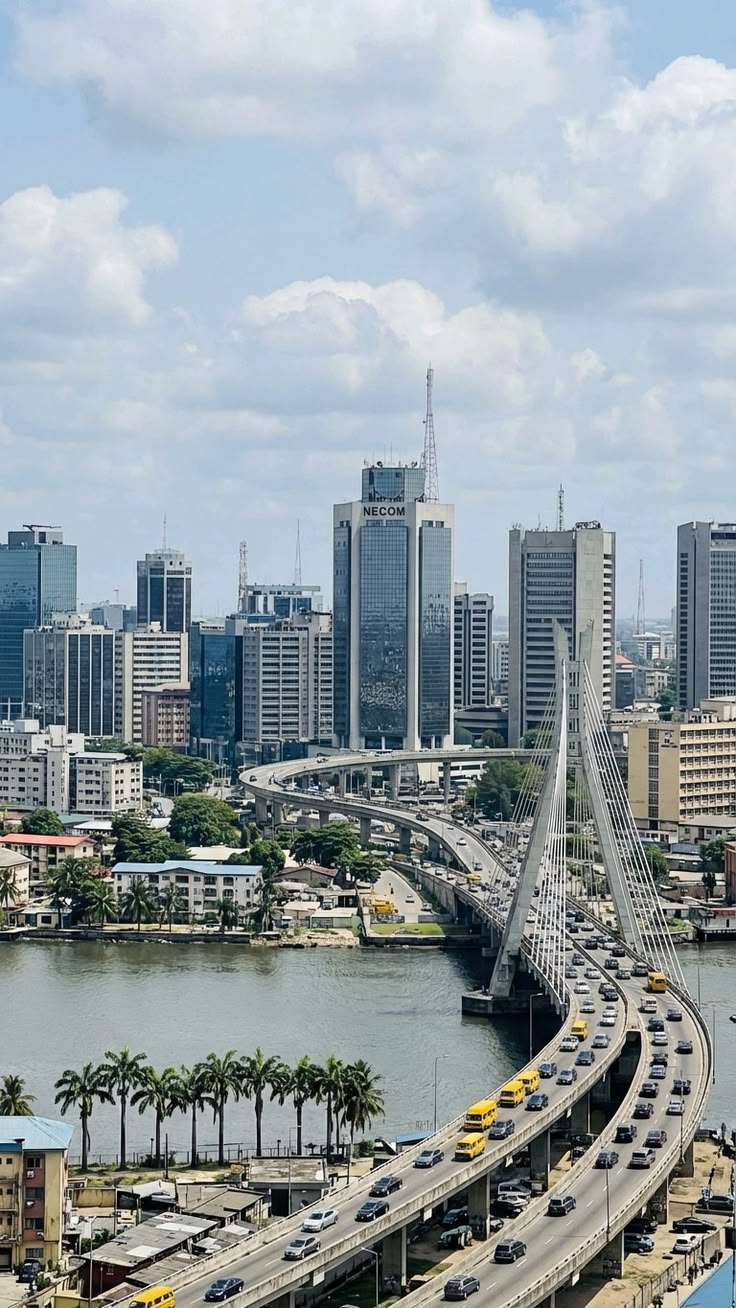
Major ports support Nigeria’s international trade and maritime activity, including ports in Lagos, Port Harcourt, Onne, Warri and Calabar.
Nigeria has an extensive road network connecting cities, towns and commercial centres.
Rail infrastructure connects key regions and continues to play an important role in national transportation and logistics.
Major cities and commercial centres
Cities of Nigeria
Health and social development
Health and Social Development
Nigeria continues to invest in the development of its health, education and social infrastructure.
Healthcare delivery is supported through federal, state and private institutions, with continued focus on strengthening primary healthcare, specialist services, disease prevention and access to essential health services.
Nigeria also has an extensive education system consisting of universities, polytechnics, colleges and other institutions that contribute to the development of skilled professionals across a wide range of disciplines.

Fact file
Country Profile & Fact File
- Land area: Approximately 923,768 sq. km
- Located in West Africa
- Borders: Benin, Niger, Chad and Cameroon
- Atlantic Ocean to the south
- Federal Republic
- 36 States
- Federal Capital Territory
- 774 Local Government Areas
- Capital: Abuja
- Official language: English
- Major indigenous languages: Hausa, Igbo and Yoruba
- Hundreds of additional Nigerian languages and dialects
- Energy
- Agriculture
- Manufacturing
- Financial services
- Technology
- Trade
- Creative industries
- Lagos, Onitsha, Kano, Ibadan, Port Harcourt, Aba, Maiduguri, Jos, Kaduna, Warri, Benin City and Nnewi
Discover more
Discover More About Nigeria
Explore Nigeria’s culture, opportunities, institutions and connections with the rest of the world.
National symbol
National Anthem
Nigeria’s National Anthem reflects the country’s ideals of unity, peace, justice and service to the nation.
Nigeria, we hail thee,
Our own dear native land,
Though tribe and tongue may differ,
In brotherhood, we stand,
Nigerians all, and proud to serve
Our sovereign Motherland.
Our flag shall be a symbol
That truth and justice reign,
In peace or battle honour’d,
And this we count as gain,
To hand on to our children
A banner without stain.
O God of all creation,
Grant this our one request,
Help us to build a nation
Where no man is oppressed,
And so with peace and plenty
Nigeria may be blessed